
Elect-Wise
Maharashtra
Dive into the colorful world of Maharashtra politics like never before! This is your go-to space for historic insights on the number of candidates contesting from each political party in the state. Whether you're a curious first-time voter, a political enthusiast, or a seasoned analyst, this platform brings you a fun and interactive view of Maharashtra’s party dynamics. With clean visuals and easy navigation, we’re here to make sense of the numbers behind the ballots. So, step in, get curious, and stay informed—because every candidate counts!
What are Assembly Elections?
The Maharashtra Assembly Elections—where every five years, the people of the state get to choose the leaders who’ll represent their constituencies in the Legislative Assembly! These elected leaders team up to form the state government, making key decisions on everything from education to healthcare, to shaping the future of Maharashtra. It’s a big deal—because what happens here directly impacts your life and the growth of the state! So, gear up, get informed, and be part of the change!
The Maharashtra Legislative Assembly Elections for 2024 are scheduled on the 20th of November, 2024. Explore the various trends by selecting a year of your choice to understand what each party has been able to achieve in the state






The Maharashtra Legislative Assembly election saw a tight contest, with BJP and Shiv Sena initially aligning, but their alliance fractured post-election over power-sharing issues. This split led to Shiv Sena forming a coalition with the Nationalist Congress Party (NCP) and Indian National Congress to establish the Maha Vikas Aghadi (MVA) government.
In 2005, Maharashtra did not hold major state or national elections. However, this period saw political developments as the Indian National Congress and Nationalist Congress Party coalition government continued under the leadership of Vilasrao Deshmukh. Local elections, such as those for municipal bodies, were held in some areas during this time.
The 1962 elections were the first Vidhan Sabha elections to be held in Maharashtra. This marked a significant milestone in the state's democratic process after the formation of Maharashtra in 1960. The elections were crucial in shaping the political landscape of the newly created state.
An election was held again in 1963, not as a legislative assembly election but as a by-election. This happened because of Yashwantrao Chavan’s move to the Union Cabinet as India’s Defense Minister, which led to a change in leadership and necessitated a by-election to fill his seat.
The 1964 Maharashtra Vidhan Sabha elections were not a general election but were conducted due to the death of Chief Minister Marotrao Kannamwar, necessitating by-elections to fill vacant seats and stabilize the government leadership.
The 1965 elections in Maharashtra were conducted as by-elections to fill legislative vacancies that arose due to resignations and deaths of sitting members, ensuring continued representation for the affected constituencies.
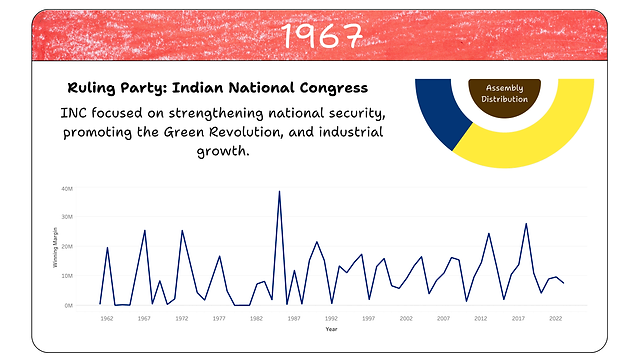
The 1967 Maharashtra Vidhan Sabha elections were held as part of the regular electoral cycle, marking the state's second general election and allowing voters to choose representatives and shape the legislative assembly for the next five-year term.
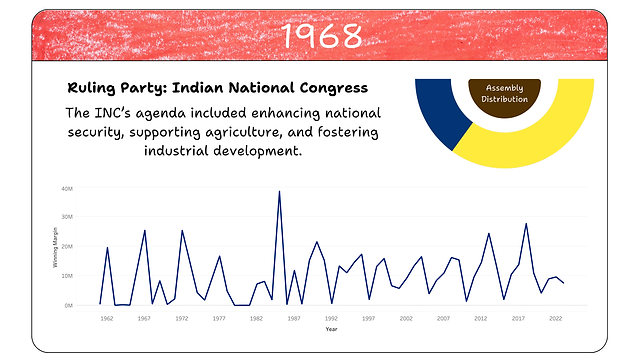
The 1968 Maharashtra Vidhan Sabha elections were held to fill vacancies in specific constituencies, caused by the deaths and resignations of certain members. These included by-elections in areas where legislators had either passed away or resigned between the 1967 and 1972 general elections, maintaining proper representation for those constituencies.
In the 1970 Maharashtra Vidhan Sabha elections, the ruling party was the Indian National Congress (INC), led by Chief Minister Vasantrao Naik. These elections were conducted as part of the regular electoral cycle, but data from these elections might be missing in Ashoka's Lok Dhaba due to gaps in historical record-keeping or the absence of digitized records from that time.
The 1972 Maharashtra Vidhan Sabha elections were held as part of the regular 4th electoral cycle to elect members for the state legislative assembly, following the end of the previous assembly's term.
In the 1978 Maharashtra Vidhan Sabha elections, the Indian National Congress (Indira), led by Indira Gandhi, was the ruling party. The elections were held as part of the 5th regular electoral cycle to elect members of the legislative assembly for the next five-year term.
The 1980 Maharashtra Vidhan Sabha elections were held following the dissolution of the Janata Party government, which had struggled with internal conflicts and instability. In this election, the Indian National Congress (Indira), led by Prime Minister Indira Gandhi at the national level, regained power in Maharashtra, with Vasantdada Patil becoming the Chief Minister.
The 1981 Maharashtra elections were not general legislative assembly elections but instead comprised several by-elections. These were conducted to fill specific vacancies that arose due to resignations, deaths, or disqualifications of sitting members between the major election cycles, ensuring representation for affected constituencies.
The 1982 Maharashtra by-elections were conducted to address vacancies in specific constituencies that arose due to the death or resignation of certain sitting members after the 1980 general elections. These by-elections aimed to restore full representation for the constituencies affected, maintaining legislative stability amid shifting political alliances.
The 1984 Maharashtra elections were primarily by-elections held to fill vacant seats in the Vidhan Sabha and Lok Sabha. These elections occurred in the wake of the assassination of Prime Minister Indira Gandhi, which led to a surge of sympathy for the Indian National Congress (Indira). The Congress performed strongly in these by-elections, with the public largely supporting the party as it sought stability during a period of national mourning and transition.
The 1985 Maharashtra Vidhan Sabha elections were 6th general elections held to elect members of the state legislative assembly. The Indian National Congress (INC), led by Chief Minister Vasantdada Patil, retained power with a significant majority, reflecting continued support for Congress at both state and national levels. These elections reinforced the INC's dominance in Maharashtra, which had been strong following the sympathy wave from the 1984 Lok Sabha elections.
The 1986 Maharashtra Legislative Assembly election, marking the 7th assembly term, saw the Indian National Congress retain its dominance in the state, with Chief Minister Shankarrao Chavan continuing in leadership amid growing opposition presence.
The 1987 Maharashtra Legislative Assembly elections saw the Indian National Congress retain power, while the Shiv Sena and BJP alliance strengthened, marking a shift in the state's political dynamics with the rise of regional and right-wing parties.
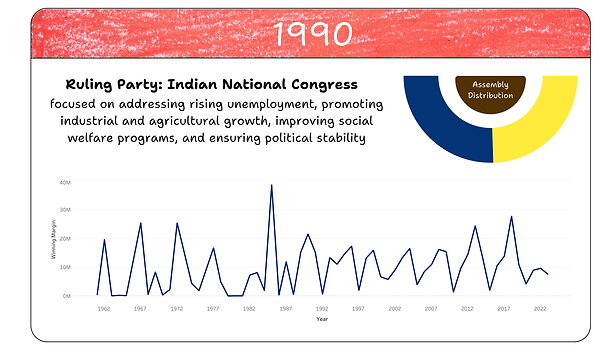
The 1990 Maharashtra Legislative Assembly elections saw the Indian National Congress win the most seats, but the Shiv Sena-BJP alliance emerged stronger, leading to a shift in the state's political dynamics and the rise of regional forces.
The 1991 elections in Maharashtra, held as part of the national Lok Sabha elections, saw the Indian National Congress gain a strong mandate due to a wave of sympathy following Rajiv Gandhi's assassination. Meanwhile, the Bharatiya Janata Party and Shiv Sena alliance continued to grow, signaling the rise of right-wing politics in the state.
The 1995 Maharashtra Legislative Assembly elections saw the Shiv Sena-BJP alliance win a historic majority, ending decades of Congress rule and making Manohar Joshi the first non-Congress Chief Minister of Maharashtra.
The 1996 elections in Maharashtra were for the Lok Sabha (parliamentary) seats as part of India’s general elections. The Bharatiya Janata Party-Shiv Sena alliance made significant gains, capitalizing on the momentum from their recent 1995 state election victory, while the Indian National Congress faced further setbacks, signaling a continued shift in the state’s political alignment.
In 1997, Maharashtra did not hold any significant state or parliamentary elections, as it was an off-cycle year for both assembly and Lok Sabha elections. However, political developments continued, with the Shiv Sena-BJP coalition, which had come to power in 1995, further consolidating its governance in the state, and Congress working to regain its influence.
In the 1998 Lok Sabha elections in Maharashtra, the Bharatiya Janata Party-Shiv Sena alliance gained significant ground, securing a notable number of seats as part of their continued rise in Maharashtra politics. The Indian National Congress also performed strongly, with a competitive presence, while various regional and smaller parties added diversity to the race.
The 1999 elections in Maharashtra included both Lok Sabha and 10th Legislative Assembly elections. The BJP-Shiv Sena alliance initially won the state assembly election, but later, a Congress-NCP coalition took power with Vilasrao Deshmukh as Chief Minister due to a political realignment.
The 2000 elections in Maharashtra did not include major state or national elections, as the previous Legislative Assembly elections had taken place in 1999. However, this period saw continued coalition governance by the Congress and Nationalist Congress Party, which worked to solidify their partnership and address state issues amid opposition from the Bharatiya Janata Party-Shiv Sena alliance.
In 2001, Maharashtra did not hold major state or parliamentary elections, as the last assembly elections were in 1999. Political dynamics focused on governance challenges within the Congress-Nationalist Congress Party coalition, as they sought to address economic and social issues in the state amidst ongoing opposition from the Bharatiya Janata Party-Shiv Sena alliance.
In 2002, Maharashtra held local body elections, including municipal and district council polls, which were pivotal for strengthening grassroots support. The Congress-Nationalist Congress Party coalition sought to retain influence, while the Bharatiya Janata Party-Shiv Sena alliance worked to challenge them across key regions.
In the 2003 Maharashtra elections, the state assembly elections were held, and the Indian National Congress-Nationalist Congress Party (Congress-NCP) alliance emerged victorious. The Congress-NCP coalition formed the government, with Vilasrao Deshmukh continuing as Chief Minister. The Shiv Sena-BJP alliance, which had been in power previously, was unable to retain control, resulting in a shift in governance in the state.
In 2004, Maharashtra held the Lok Sabha elections as well as the 11th Maharashtra Legislative Assembly elections. The Indian National Congress-Nationalist Congress Party alliance emerged victorious in both, with Vilasrao Deshmukh continuing as Chief Minister, maintaining the Congress-NCP coalition in power.
In 2006, Maharashtra held local elections for municipal bodies and district councils, where the primary political parties, including the Indian National Congress, Nationalist Congress Party, Shiv Sena, and Bharatiya Janata Party, were the key contenders. These elections were seen as a platform for the parties to strengthen their grassroots support, with the Congress-NCP alliance maintaining its dominance in several regions.
The 2009 Maharashtra elections were the 13th Legislative Assembly elections. The Indian National Congress-Nationalist Congress Party alliance secured a victory, with Vilasrao Deshmukh continuing as Chief Minister and the Congress-NCP coalition maintaining its hold on the state government.
In 2010, Maharashtra did not have major state or national elections, but local body elections, including municipal and panchayat elections, took place across various regions. The Indian National Congress-Nationalist Congress Partycoalition government, led by Vilasrao Deshmukh, continued its governance during this period.
In 2011, Maharashtra did not hold major state or national elections. However, local body elections, including for municipal corporations and panchayats, were conducted, with the Indian National Congress-Nationalist Congress Party coalition maintaining its influence in many areas.
In 2012, Maharashtra held local body elections, including for municipal corporations and panchayats, where key parties like the Indian National Congress, Nationalist Congress Party, Shiv Sena, and Bharatiya Janata Party competed for dominance. The Congress-NCP coalition continued to hold significant influence, while the Shiv Sena-BJP alliance worked to challenge their control in various regions.
In 2013, Maharashtra held local body elections for municipal corporations and panchayats, with the major parties being the Indian National Congress, Nationalist Congress Party, Shiv Sena, and Bharatiya Janata Party. The Congress-NCP coalition remained dominant, but the Shiv Sena-BJP alliance worked to challenge their influence in various regions.
The 2014 Maharashtra elections were the 13th Legislative Assembly elections. The Bharatiya Janata Party emerged as the dominant party, forming a government with the Shiv Sena, ending the Congress-NCP coalition's rule in the state.
In 2015, Maharashtra did not have major state or national elections. However, it was a year for local body elections, including municipal corporations and panchayat elections, with the Bharatiya Janata Party, Shiv Sena, Indian National Congress, and Nationalist Congress Party continuing to contest for control.
This year saw Maharashtra conducting municipal and zilla parishad elections rather than assembly elections. The Bharatiya Janata Party (BJP) made significant inroads, capturing key cities such as Mumbai and Pune, strengthening its urban base.
Maharashtra held its local body elections, which served as a precursor to the upcoming 2019 assembly elections. The Shiv Sena and BJP alliance showed strong performance in rural regions, reflecting their dominance in state politics.


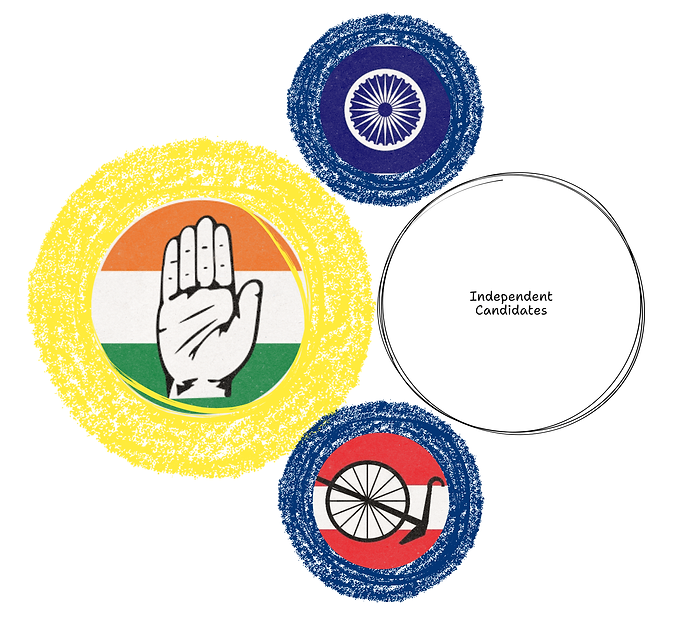


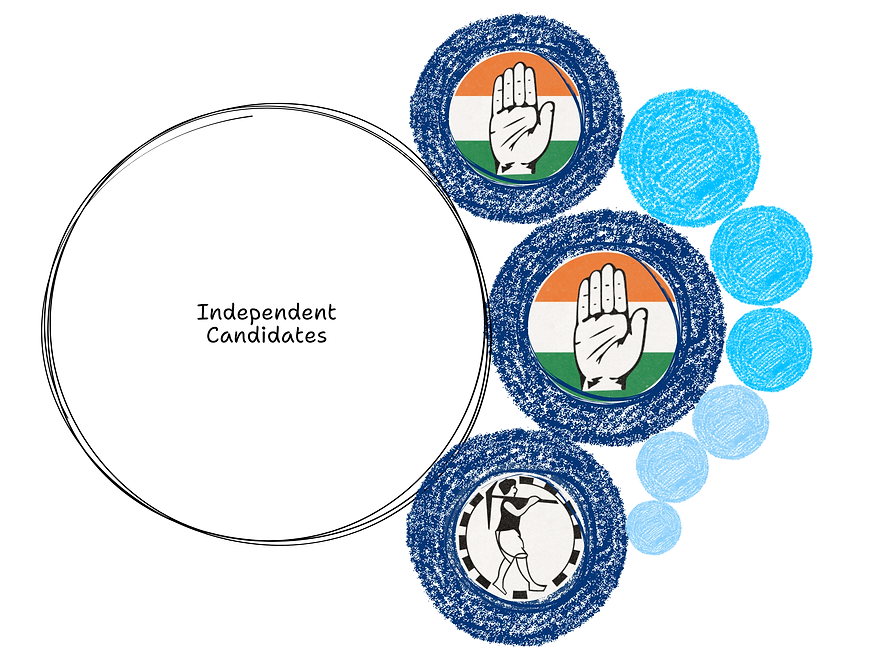


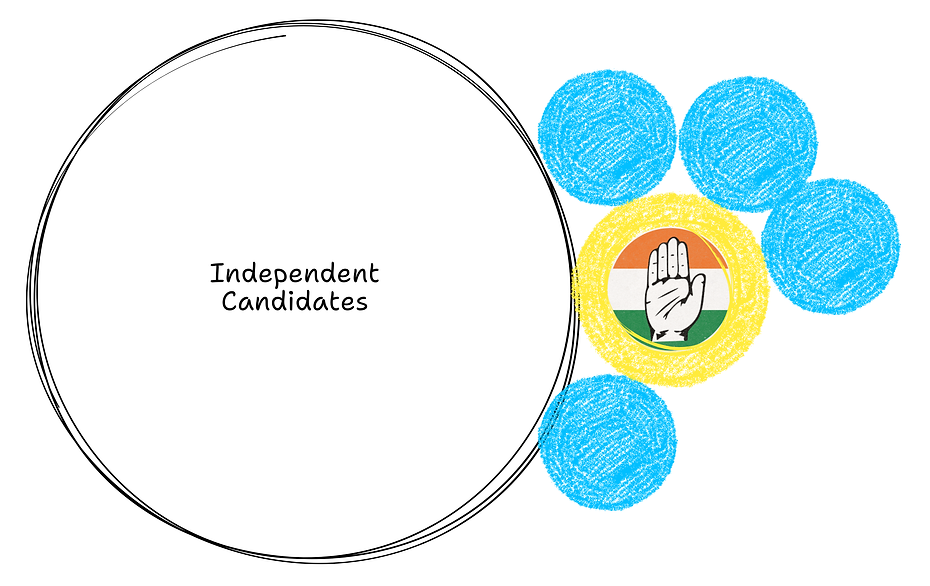


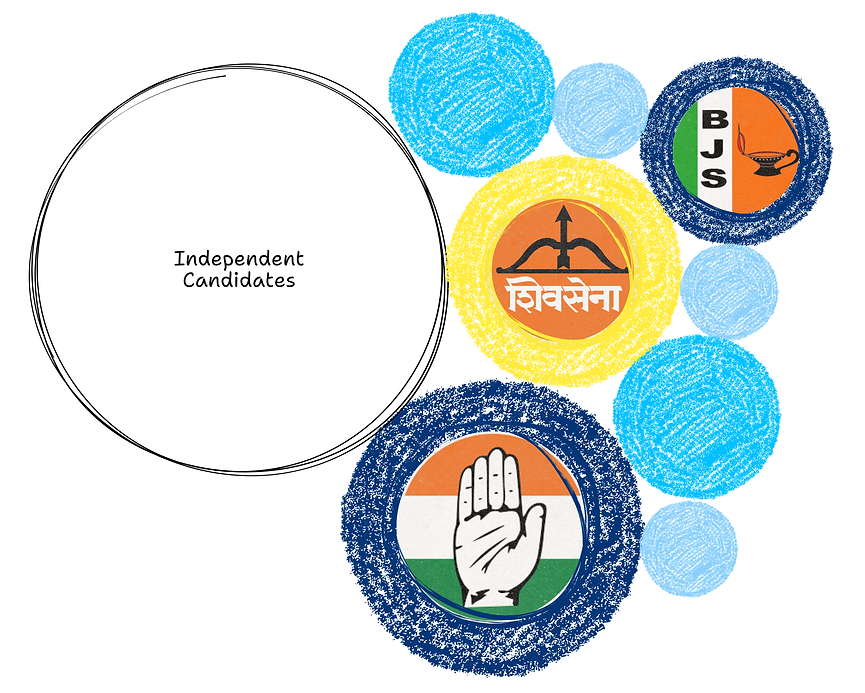


Ruling Party: Indian National Congress
Ruling Party: Indian National Congress
Other Leading Parties: Republican Party of India, Praja Socialist Party
Ruling Party: Indian National Congress
Other Leading Parties: Republican Party of India
Ruling Party: Indian National Congress
Other Leading Parties: Bharatiya Janasangh
Ruling Party: Indian National Congress
Other Leading Parties: Communist Party of India
Ruling Party: Indian National Congress (Led by Indira Gandhi)
Other Leading Parties: Bharatiya Janasangh, Forward Bloc
Ruling Party: Indian National Congress
Other Leading Parties: Bharatiya Janasangh



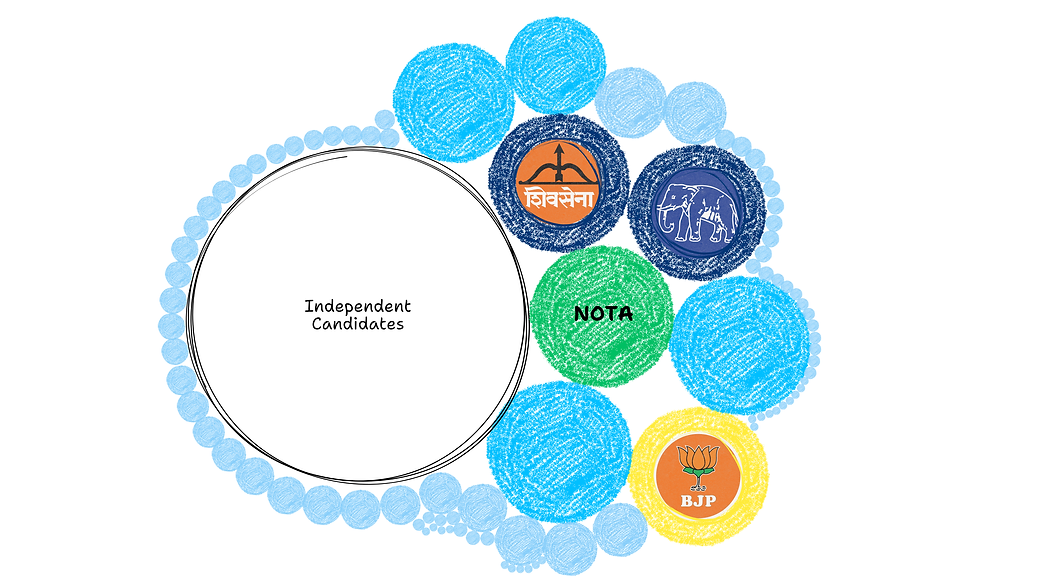





Although Maharashtra did not have assembly elections, the state faced by-elections for some constituencies. Amid the COVID-19 pandemic, the MVA alliance held its ground, maintaining stability in the state government against opposition pressures.
Ruling Party: Indian National Congress
Other Parties: Gondwana Gantantra Party, Bahujan Maha Party, Nationalist Congress Party, Shiv Sena, Bharatiya Janata Party
Ruling Party: Indian National Congress
Other Parties: Janata Party, Bharatiya Janata Party, Peasants and Workers Party of India., ID
Ruling Party: Indian National Congress
Other Leading Parties: Bharatiya Janasangh, Praja Socialist Party
Other Parties: Peasants and Workers Party of India, Republican Party of India, Communist Party of India, Socialist Party (India), Samyukta Socialist Party
Ruling Party: Indian National Congress
Other Leading Parties: Bharatiya Janasangh, Republican Party of India
Other Parties: Peasants and Workers Party of India, Communist Party of India, Samyukta Socialist Party, Sanyukta Maharashtra Samiti, Communist Party of India (Marxist)
Ruling Party: Indian National Congress
Other Leading Parties: Bharatiya Janasangh, Republican Party of India
Other Parties: Peasants and Workers Party of India, Republican Party of Kataka, Socialist Party of India, National Congress of India, Communist Party of India, Forward Bloc, Shiv Sena, Communist Party of India (Marxist)
Ruling Party: Indian National Congress led by Indira Gandhi
Other Leading Parties: Indian National Congress, Janata Party
Other Parties: Peasants and Workers Party of India, Republican Party of Kataka, Socialist Party of India, National Congress of India, Communist Party of India, Forward Bloc, Shiv Sena, Communist Party of India (Marxist)
Ruling Party: Indian National Congress (Led by Indira Gandhi)
Other Leading Parties: Bharatiya Janata Party, Indian National Congress
Other Parties: Janata Party (JP), Republican Party of Kataka, Peasants and Workers Party of India, Republican Party of India, Janata Party (Secular - Charan Singh), Communist Party of India, Janata Party (Secular - Raj Narain), Communist Party of India (Marxist)
Ruling Party: Indian National Congress (Led by Indira Gandhi)
Other Leading Parties: Indian Congress Socialist
Other Parties: Janata Party
Ruling Party: Indian National Congress
Other Leading Parties: Indian Congress Socialist, Bharatiya Janasangh
Other Parties: Janata Party, Bharatiya Janata Party, Republican Party of India, Communist Party of India, Lok Dal, Peasants and Workers Party of India, Republican Party of Kataka, Communist Party of India (Marxist)
Ruling Party: Indian National Congress
Other Leading Parties: Janata Party
Other Parties: Bharatiya Janata Party, FBL, ICS, JOR
Ruling Party: Indian National Congress
Other Leading Parties: ShivSena, Janata Dal
Other Parties: JShiv Sena, Bharatiya Janata Party, Nationalist Congress Party, Communist Party of India, Communist Party of India (Marxist), Peasants and Workers Party, Bahujan Samaj Party, Indian National Congress (Socialist), Maharashtra Navnirman Sena, and All India Forward Bloc
Ruling Party: Democratic Deshbhakti Party
Other Leading Parties: Indian National Congress,
Other Parties: Bharatiya Janata Party, Janata Dal, Bahujan Samaj Party, Lok Dal
Ruling Party: ShivSena
Other Leading Parties: Indian National Congress, Janata Dal
Other Parties: Bharatiya Janata Party, Janata Dal, Bahujan Samaj Party, Lok Dal, Samajwadi Party, Communist Party of India, Communist Party of India (Marxist), and Republican Party of India(in various factions).
Ruling Party: ShivSena
Other Leading Parties: Indian National Congress, Bahujan Samaj Party
Other Parties: Janata Dal, Communist Party of India, Communist Party of India (Marxist), Republican Party of India (various factions), Samajwadi Party, Peasants and Workers Party of India, as well as independentsand various smaller regional parties.
Ruling Party: ShivSena
Other Leading Parties: Indian National Congress, Bahujan Samaj Party
Ruling Party: ShivSena
Other Leading Parties: Indian National Congress, Bharatiya Janasang
Other Parties: Samajwadi Party, Bahujan Samaj Party, Republican Party of India (various factions), Communist Party of India, Communist Party of India (Marxist), Peasants and Workers Party of India, as well as independents and other smaller regional parties.
Ruling Party: Congress
Other Leading Parties: Rashtriya Congress Paksh, ShivaSena (in coalition)
Other Parties: Bharatiya Janata Party, Nationalist Congress Party, Samajwadi Party, Bahujan Samaj Party, Peasants and Workers Party of India, Republican Party of India, Communist Party of India, Communist Party of India (Marxist), independents, and other regional parties.
Ruling Party: Congress
Other Leading Parties: ShivaSena (in coalition)
Other Parties: National Minority Party, Rashtriya Lok Dal
Ruling Party: Indian National Congress
Other Leading Parties: Rashtravadi Congress Paksh
Other Parties: Shivsena, Rashtriya Lok Dal, National Minority Party
Ruling Party: Indian National Congress
Other Parties: Bharatiya Janata Party, Shiv Sena, Bahujan Samaj Party, Samajwadi Party, Peasants and Workers Party of India, Republican Party of India, Communist Party of India, Communist Party of India (Marxist)
Ruling Party: Indian National Congress
Other Leading Parties: ShivSena, Bahujan Samaj Party
Other Parties: Nationalist Congress Party, Shiv Sena, Bharatiya Janata Party, Samajwadi Party, Bahujan Samaj Party, Peasants and Workers Party of India, Republican Party of India, Communist Party of India, Communist Party of India (Marxist)
Ruling Party: Indian National Congress
Other Leading Parties: ShivSena, Bahujan Samaj Party
Other Parties: Nationalist Congress Party, Shiv Sena, Bharatiya Janata Party, Samajwadi Party, Bahujan Samaj Party, Peasants and Workers Party of India, Republican Party of India, Communist Party of India, Communist Party of India (Marxist)
Ruling Party: Indian National Congress
Other Leading Parties: ShivSena
Other Parties: Nationalist Congress Party, Bharatiya Janata Party, Samajwadi Party, Bahujan Samaj Party, Peasants and Workers Party of India, Republican Party of India, Communist Party of India, Communist Party of India (Marxist)
Ruling Party: Indian National Congress
Other Leading Parties: ShivSena, Bahujan Samaj Party
Other Parties: Nationalist Congress Party, Bharatiya Janata Party, Samajwadi Party, Bahujan Samaj Party, Peasants and Workers Party of India, Republican Party of India, Communist Party of India, Communist Party of India (Marxist)
Ruling Party: Indian National Congress
Other Parties: Nationalist Leftist Party, Samajwadi Party, Shiv Sena
Ruling Party: Indian National Congress and Nationalist Congress Party coalition
Other Parties: Shiv Sena, Bharatiya Janata Party, Samajwadi Party, Bahujan Samaj Party, Peasants and Workers Party of India, Republican Party of India, Communist Party of India, Communist Party of India (Marxist)
Ruling Party: Indian National Congress and Nationalist Congress Party coalition
Other Parties: Shiv Sena, Bharatiya Janata Party, Samajwadi Party, Bahujan Samaj Party, Peasants and Workers Party of India, Republican Party of India, Communist Party of India, Communist Party of India (Marxist), Independents
Ruling Party: Indian National Congress and Nationalist Congress Party coalition
Other Parties: Shiv Sena, Bharatiya Janata Party, Samajwadi Party, Bahujan Samaj Party, Peasants and Workers Party of India, Republican Party of India, Communist Party of India, Communist Party of India (Marxist), Independents
Ruling Party: Bhratiya Janata Party
Other Leading Parties: Shiv Sena, Bharatiya Janata Party
Other Parties: ndian National Congress, Nationalist Congress Party, Samajwadi Party, Bahujan Samaj Party, Peasants and Workers Party of India, Republican Party of India, Communist Party of India, Communist Party of India (Marxist), Maharashtra Navnirman Sena, Rashtriya Janata Dal, All India Majlis-e-Ittehad-ul-Muslimeen, Janta Dal (Secular)
Ruling Party: Bhratiya Janata Party
Other Leading Parties: Indian National Congress
Other Parties: Nationalist Congress Party, Samajwadi Party, Bahujan Samaj Party, Peasants and Workers Party of India, Republican Party of India, Communist Party of India, Communist Party of India (Marxist), Maharashtra Navnirman Sena, Rashtriya Janata Dal, All India Majlis-e-Ittehad-ul-Muslimeen, Janta Dal (Secular)
Ruling Party: Bhratiya Janata Party
Ruling Party: Bhratiya Janata Party with Shiv Sena. Missing Data in the Dataset!
Ruling Party: Bhratiya Janata Party with Shiv Sena
Ruling Party: Bhratiya Janata Party with Shiv Sena